
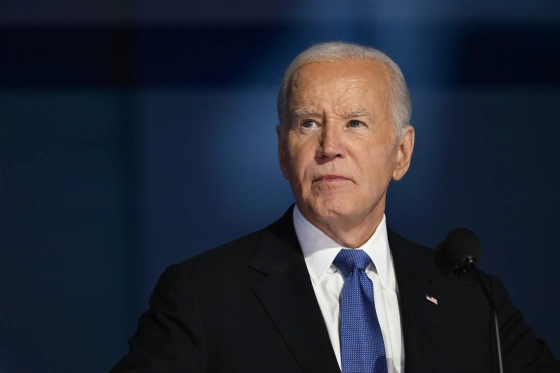
Former President Joe Biden
Table of Contents
In Washington, D.C. — Former President Joe Biden has entered a new phase of cancer care: he is now undergoing radiation therapy in addition to hormone treatment as part of his strategy to combat prostate cancer. This development was confirmed Saturday by his office and marks a significant escalation in his medical regimen. (Reuters)
Having already initiated hormone therapy earlier this year, this radiation treatment signals both urgency and resolve. According to his spokesperson, the therapy is expected to last approximately five weeks. (The Guardian)
The announcement has reignited attention on Biden’s health, on how leaders manage serious illness in the public eye, and on the medical challenges faced by men with aggressive prostat
blog
In May, Biden’s personal office disclosed that he had been diagnosed with a form of prostate cancer that had metastasized to his bones. (AP News) His cancer was classified as aggressive, with a Gleason score of 9, a grade indicating a high risk, fast-growing tumor. (AP News)
At that time, he began hormone therapy in pill form, a common first-line approach to slow tumor growth by suppressing testosterone, which often fuels prostate cancer cells. (People.com)
September Former President Joe Biden Skin Cancer Surgery
Amid his ongoing cancer battle, Biden also underwent Mohs surgery to remove cancerous skin cells from his forehead. (People.com) The procedure is precise and aims to remove all diseased skin while preserving as much healthy tissue as possible. (Sky News)
October 2025 – Radiation Therapy Begins
On October 11, Biden’s office confirmed he is now receiving radiation therapy, adding it to his ongoing hormone regimen. (Reuters) The five-week treatment is designed to precisely target cancer cells in his prostate and nearby tissue while minimizing damage to healthy organs. (The Guardian)
This latest step underscores the proactive nature of his treatment and the gravity of his condition.
What This Means Medically: Strategy, Risks & Hopes
Why Combine Radiation and Hormones?
Radiation therapy and hormone therapy often work synergistically in treating prostate cancer, especially in more advanced or aggressive cases. Hormone therapy can shrink or slow cancer, making radiotherapy more effective; radiation can then target the residual tumor. This multimodal approach is standard of care when cancers show signs of spread or high-risk features.
In Biden’s case, doctors see promise in his cancer being hormone-sensitive—even aggressive tumors can respond well to hormone suppression, improving the efficacy of radiation. (Reuters)
Risks and Side Effects
Radiation therapy isn’t without side effects. Some common ones include urinary irritation, bowel changes, fatigue, and possible impact on sexual function. The medical team will likely monitor him closely to mitigate these. Because Biden is older and his cancer has already spread to bones, physicians must balance aggressive treatment with quality of life.
Hormone therapy, especially over extended durations, can cause muscle loss, changes in metabolic profile (cholesterol, glucose), bone thinning, and cardiovascular risks. In a patient with multiple health considerations, doctors must tailor the dose and timing carefully.
Outlook & Prognosis
Given the Gleason 9 score and the fact that the cancer has reached the bones, Biden’s situation is serious. But it is not hopeless. The fact that his team is now intensifying treatment reflects both confidence and necessity. Many men with advanced prostate cancer live months to years under treatment — the goal is control, symptom relief, and maximizing quality of life.
His medical team’s ability to respond and adapt will matter deeply. Adherence, monitoring, imaging follow-ups, and managing side effects will become key.
Political & Social Dimensions: Leadership Under the Microscope
When public figures face serious illness, the personal becomes political. Biden’s health already fueled speculation about age, stamina, and capacity—particularly during and after his 2024 presidential campaign. His decision to intensify treatment now adds new layers.
Transparency vs. Privacy:
The public expects clarity about a leader’s health, but patients also deserve privacy. Biden’s team has provided periodic updates, but the balance is delicate.
Messaging Matters:
In past statements, Biden described himself as “optimistic” and framed his cancer journey as something many Americans can relate to: “cancer touches us all.” (The Washington Post) How he communicates this phase may influence public perception, empathy, and trust.
Impact on Legacy & Influence:
Even out of office, Biden remains a figure in American political life. His ability to navigate this health crisis—openly, resolutely, thoughtfully—can reshape how he is remembered in his post-presidency years.
Age & Generational Debate:
At 82, Biden is in a demographic that frequently faces major medical challenges. His active treatment underscores the difficulties older adults face in fighting cancer while retaining autonomy and dignity.
What to Watch Next
- Treatment Response & Updates:
The first indicator will be how Biden tolerates radiation therapy. Any public health bulletins or press conference statements will be closely analyzed. - Side-Effect Management:
Physicians may adjust doses or pause treatment if side effects escalate. Observers will watch for signs of fatigue, urinary complications, or GI issues. - Follow-up Imaging & PSA Levels:
Prostate-specific antigen (PSA) trends will provide insight into whether cancer is receding or stable. Imaging (MRI, bone scans) will track metastasis. - Public Appearances & Statements:
Will Biden pause public events? Will he deliver remarks on his health? His team’s communications choices will be scrutinized. - Political & Institutional Repercussions:
Health crises often spur discussion about succession planning, pensioning off duties, and legacy caretaking. In a polarized era, allies and opponents alike will weigh in.
Framing the Broader Significance
This is not just a health update. Joe Biden’s decision to undergo radiation therapy in addition to hormone treatment illustrates several broader truths:
- Cancer doesn’t wait for perfect timing. Leaders, too, must adapt when the disease advances.
- Medical transparency is a trust test. The public watches not just outcomes but candor.
- Age is not a stop sign. Many older adults face cancer and choose vigilance over resignation.
- War on disease is personal & political. The way leaders handle illness can inspire or deter.
His path will be a narrative of strength, vulnerability, and uncertainty — a human story with geopolitical echoes.

I’m Naveed, based in Paris,with my team I always believed that technology should make life easier not more complicated. That’s why I created Sejda.store: a place where anyone can use powerful online tools without needing special software or technical skills.