
Table of Contents
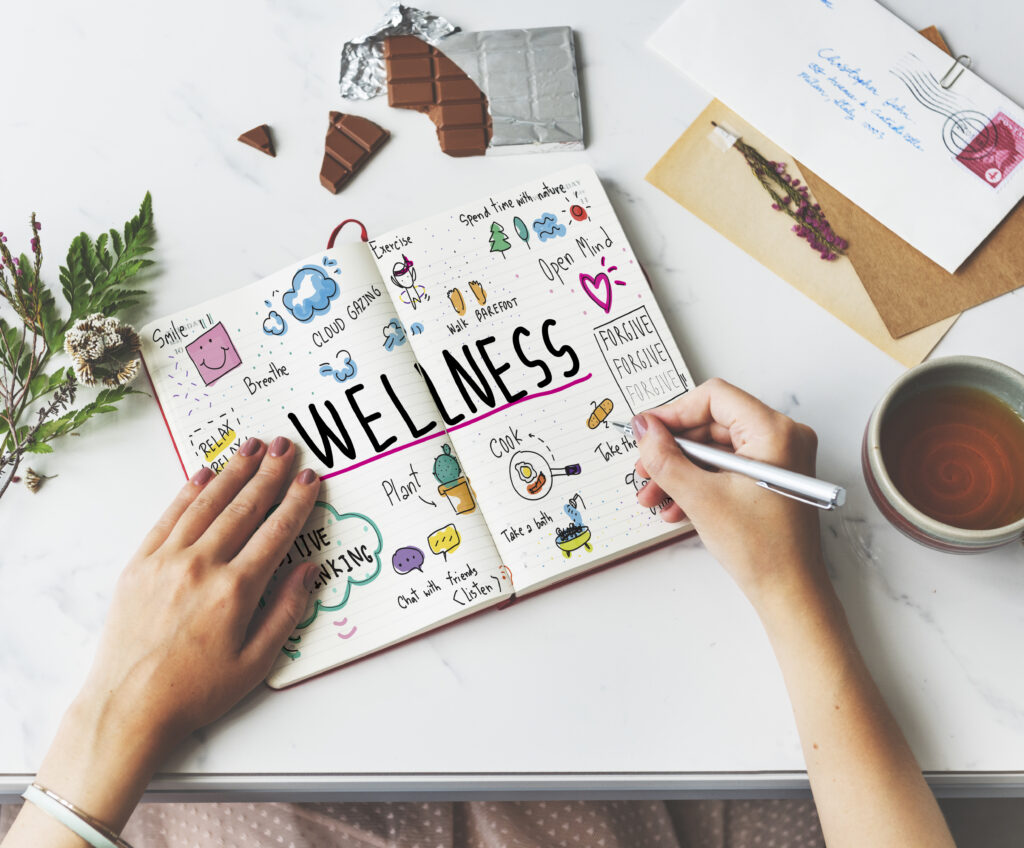
Wellness Guide,Getting into 2026 with a focus on health feels like a good plan, right? Life gets busy, and sometimes taking care of ourselves falls by the wayside. But honestly, making small changes can really add up. We’ve gathered some straightforward health tips that aren’t complicated and can help you feel better, both physically and mentally. Think of these as simple adjustments to your routine that can make a big difference in how you feel throughout the year.
Key Takeaways
- Start your day with natural light and delay that first coffee to help regulate your body’s natural rhythms.
- Eat your veggies first at meals to help manage blood sugar and cravings.
- Move your body regularly, mixing in cardio and strength training, and pay attention to your posture.
- Take time to breathe, challenge your mind, and find moments for quiet reflection to boost mental clarity.
- Connect with others, practice thankfulness, and focus on your own health progress without comparing.
Prioritize Foundational Health Habits
Wellness Guide,Getting the basics right is the first step toward a healthier you in 2025. It’s not about drastic changes, but small, consistent actions that build a strong base. Think of it like building a house; you need a solid foundation before you can add the fancy stuff.
Embrace Morning Sunlight Exposure
Wellness Guide,That first hit of natural light in the morning does more than just wake you up. It helps set your body’s internal clock, which is super important for sleep later on. Plus, it can give your mood a nice little lift. Try to get outside for at least 10-15 minutes shortly after waking up, even if it’s cloudy. It’s a simple way to start your day feeling more alert and positive. This practice can really set the tone for a vibrant senior lifestyle.
Delay Your First Coffee
Wellness GuideI know, I know, coffee is a morning ritual for many. But hear me out. If you drink coffee right when you wake up, you might be messing with your body’s natural energy production. Cortisol, your stress hormone, is usually highest in the morning. Caffeine can amplify that. Waiting an hour or two, maybe until after you’ve had some water and a small bite to eat, can help you avoid that mid-morning slump and get more sustained energy throughout the day.
Hydrate With Salty Water
We all know drinking water is important, but sometimes plain water just doesn’t cut it, especially if you’re active or it’s hot out. Adding a tiny pinch of good quality sea salt to your water can make a big difference. It helps your body hold onto that water better and replenishes some of the electrolytes you lose. It’s a small trick that can help you feel more hydrated and energized right from the start of your day. It’s a simple way to support your body’s functions.
Building these foundational habits doesn’t require a huge time commitment. Even small, consistent efforts in these areas can lead to noticeable improvements in how you feel day-to-day. Don’t try to do everything at once; pick one or two to focus on first.
Nourish Your Body Wisely

Wellness Guide,What you put into your body really matters, and it’s not just about avoiding junk. It’s about making smart choices that fuel you for the long haul. Think of it like putting premium gas in your car; you wouldn’t just fill it with anything, right? Your body deserves the same consideration.
Consume Vegetables First
Wellness Guide,This might sound a little odd at first, but there’s a good reason behind it. When you start your meal with vegetables, you’re getting a good dose of fiber and nutrients before you even touch the heavier stuff. This can help manage your blood sugar levels, making them more stable throughout the day. It also helps you feel fuller sooner, which can prevent overeating. So, try to make those greens the opening act of your meal.
- Start with a salad or a side of steamed veggies.
- Aim for a variety of colors to get different vitamins.Smart Meal PlannerSmart Meal Planner
- This simple shift can make a big difference in how you feel after eating.
Maintain A Balanced Diet
Wellness Guide,Eating a balanced diet means getting a good mix of everything your body needs. It’s not about cutting out entire food groups unless a doctor tells you to. Instead, it’s about proportions and quality. You want plenty of fruits, vegetables, whole grains, and lean proteins. These foods give you the energy you need and help your body fight off sickness. It’s about creating a plate that looks good and does good for you. A healthy eating plan emphasizes fruits, vegetables, whole grains, and fat-free or low-fat milk and milk products. It also includes a variety of protein foods. A healthy eating plan
A diet rich in nutrients supports everything from how your body works to how well it can fend off illness. It also plays a big part in yourtay Adequately Hydrated
Wellness Guide
Water is seriously important. We all know we should drink more, but it’s easy to forget when life gets busy. Staying hydrated helps your body function properly, keeps your skin looking good, and can even help with headaches. Don’t wait until you’re thirsty to drink; that’s usually a sign you’re already a bit dehydrated. Keep a water bottle handy and sip throughout the day. Adding a pinch of sea salt to your water can also help replenish electrolytes, which is especially good after sweating.
Integrate Movement Into Your Day
Wellness GuideGetting your body moving is more than just about looking good; it’s about feeling good and keeping everything working right. Think of it as essential maintenance for your personal machine. Making time for physical activity, even in small doses, can really change how you feel day-to-day. It helps clear your head and gives you more energy, which is a win-win.
Engage In Morning Cardio
Starting your day with some cardio can be a game-changer. It gets your blood pumping and can help you burn fat more efficiently. Plus, it sets a positive tone for the rest of your day, giving you sustained energy. You don’t need to run a marathon; a brisk walk or a quick jog around the block counts.
Incorporate Resistance Training
As we get older, keeping our muscles strong becomes super important. Muscle mass is a big deal for living a long life, almost as much as having a healthy heart. So, adding some weight lifting or bodyweight exercises a few times a week is a smart move. It helps keep your metabolism humming and your body resilient. You can do this later in the day when your body temperature is a bit higher and you might feel stronger.
Practice Good Posture
Wellness Guide;This one might seem small, but it makes a big difference. Standing and sitting up straight isn’t just about looking confident; it helps your body work better and can prevent aches and pains, especially when you’re exercising. Take a moment throughout the day to check in with yourself. Are your shoulders hunched? Is your back rounded? A quick adjustment can do wonders. Good posture supports proper exercise form and helps avoid injuries.
Paying attention to how you hold yourself can prevent a lot of discomfort down the line. It’s a simple habit that pays off big time for your overall physical well-being.
Cultivate Mental Clarity and Resilience
Wellness Guide Feeling a bit scattered lately? It happens to the best of us. In our busy lives, it’s easy to let our minds get overwhelmed. But taking a little time to focus inward can make a huge difference. It’s not about becoming a guru overnight; it’s about finding simple ways to calm the noise and sharpen your focus.
Practice Mindful Breathing Techniques
Wellness Guide,Breathing is something we do constantly without even thinking about it, right? But when you actually pay attention to your breath, it can be incredibly grounding. Think of it as a mini-reset button for your brain. There are a few simple techniques that can help.
- Box Breathing: Inhale for a count of four, hold for four, exhale for four, hold for four. Repeat. It’s straightforward and really helps regulate your nervous system.
- Diaphragmatic Breathing: Focus on breathing deep into your belly, not just your chest. You can even place a hand on your stomach to feel it rise and fall.
- 4-7-8 Breathing: Inhale for four, hold for seven, exhale for eight. This one is great for winding down before sleep.
Taking just a few minutes each day to consciously breathe can help you feel more in control and less reactive to whatever life throws your way. It’s a skill that gets easier with practice.
Engage In Brain-Boosting Activities
Keeping your brain active is like giving it a good workout. It helps maintain cognitive function and can even ward off mental fog. You don’t need to become a chess grandmaster or learn quantum physics (unless you want to!).
- Puzzles: Crosswords, Sudoku, or even jigsaw puzzles can be great for problem-solving.
- Learning Something New: Try picking up a few phrases in a new language, learning a simple song on an instrument, or taking an online course on a topic that sparks your interest.
- Reading: Whether it’s fiction or non-fiction, getting lost in a book is a fantastic way to expand your mind and vocabulary.
Incorporate Moments Of Meditation
Wellness Guide,Meditation often gets a reputation for being complicated, but it doesn’t have to be. Even short bursts can be beneficial. It’s about creating a space to just be, without judgment.
- Start Small: Aim for just 5-10 minutes a day. Find a quiet spot where you won’t be interrupted.
- Focus on Your Senses: Pay attention to what you see, hear, smell, or feel. This helps anchor you in the present moment.
- Guided Meditations: There are tons of free apps and online resources that offer guided meditations, which can be really helpful when you’re just starting out.
Regularly engaging in these practices can lead to a noticeable improvement in your ability to handle stress and stay focused.
Foster Well-being Through Connection and Gratitude

Wellness Guide,It’s easy to get caught up in the daily grind, right? Between work, errands, and just trying to keep up, sometimes the people and things that truly matter can get pushed to the side. But here’s the thing: our connections with others and our ability to appreciate what we have are actually big players in our overall health. Seriously, it’s not just fluff.
Nurture Strong Social Connections
Wellness Guide,Think about it – when was the last time you had a really good chat with a friend, or spent quality time with family? Making time for people isn’t just a nice thing to do; it’s good for your brain and your mood. It helps keep loneliness at bay, which can be a real health risk.
- Schedule regular catch-ups: Whether it’s a weekly coffee date, a monthly game night, or even just a quick video call, put it on your calendar. Treat it like an important appointment.
- Be present: When you’re with people, try to put your phone away and really listen. Ask questions and show you care.
- Join a group: Find a club, a class, or a volunteer opportunity that interests you. It’s a great way to meet new people who share your passions.
Keeping up with friends and family isn’t just about having fun. It’s about building a support system that can help you through tough times and celebrate the good ones. Strong bonds can actually make you more resilient.
Practice Daily Gratitude
Wellness Guide,This one sounds simple, but it can make a huge difference. Taking a moment each day to think about what you’re thankful for can shift your whole perspective. It helps you focus on the good stuff, even when things are tough.
Here’s a simple way to start:
- Jot it down: Keep a small notebook by your bed and write down 1-3 things you’re grateful for before you go to sleep or right when you wake up.
- Be specific: Instead of just ‘my family,’ try ‘the funny joke my sister told me today’ or ‘the quiet moment I had with my partner this morning.’
- Reflect: Take a moment to really feel the gratitude. Think about why you’re thankful for that specific thing.
Focus On Your Personal Health Journey
Wellness Guide,While connecting with others is important, don’t forget about your own path. This is about celebrating your progress, no matter how small. It’s about recognizing that you’re doing your best and that your health is a personal adventure.
- Acknowledge your wins: Did you stick to your workout plan this week? Did you choose a healthy meal option? Give yourself credit!
- Be kind to yourself: Everyone has off days. If you slip up, don’t beat yourself up. Just get back on track the next day.
- Set realistic goals: Big changes happen in small steps. Focus on what you can achieve right now and build from there.
Optimize Your Rest and Recovery
Wellness Guide,Alright, let’s talk about the stuff that happens after you’ve done all the hard work. You know, sleep and taking it easy. It sounds simple, but honestly, it’s where a lot of people drop the ball. We get so caught up in doing, doing, doing, that we forget our bodies actually need downtime to fix themselves up and get ready for the next round. Skipping rest is like trying to run a marathon without ever stopping for water – you’re just going to hit a wall.
Prioritize Quality Sleep
Wellness Guide,This is non-negotiable. Aiming for seven to nine hours of solid sleep each night isn’t just about feeling less groggy; it’s when your body does its major repair work. Think of it as your internal maintenance crew clocking in. Without enough quality shut-eye, your immune system takes a hit, your brain doesn’t clear out the junk, and your mood can go south pretty fast. It’s a good idea to try and stick to a regular sleep schedule, even on weekends if you can manage it. Setting up a little wind-down routine before bed can make a big difference too. Maybe it’s reading a book, listening to some calm music, or just doing some gentle stretches. Whatever helps you switch off.
Explore Intermittent Fasting Benefits
Wellness Guide,Now, this one might sound a bit out there, but hear me out. Intermittent fasting, where you cycle between periods of eating and voluntary fasting, can actually be a powerful tool for recovery. When you give your digestive system a break for, say, 16 hours or more, your body can kickstart a process called autophagy. This is basically your cells cleaning house, getting rid of old, damaged bits so new, healthy ones can take their place. It’s like hitting the reset button on a cellular level. It’s not for everyone, of course, and you should definitely chat with a doctor before jumping in, but for many, it’s a way to support cellular repair and overall well-being.
Don’t underestimate the power of doing nothing. Sometimes, the most productive thing you can do is simply rest. Your body and mind will thank you for it later.
Wellness Guide,Here are a few things to keep in mind for better rest:
- Consistent Schedule: Try to go to bed and wake up around the same time daily.
- Cool, Dark Room: Make your bedroom a sanctuary for sleep.
- Limit Screens Before Bed: The blue light can mess with your sleep hormones.
- Mindful Wind-Down: Create a relaxing pre-sleep ritual.
Proactive Health Management
Wellness Guide,taking charge of your health isn’t just about what you do when you feel sick; it’s about staying ahead of the game. Think of it like regular maintenance for your car – you don’t wait for it to break down to get an oil change, right? Your body deserves that same kind of attention. Making a habit of checking in with your health can catch little things before they become big problems. It’s about being smart and looking out for yourself.
Schedule Regular Health Check-ups
Wellness Guide,This is probably the most straightforward piece of advice, but it’s easy to put off. Seeing your doctor or healthcare provider regularly isn’t just for when you’re feeling unwell. These appointments are your chance to get a baseline of your health, discuss any worries you might have, and get screened for common issues. It’s a good idea to have a primary care doctor who knows your history. They can spot changes over time that you might miss.
Here’s a quick look at what regular check-ups can cover:
- Blood Pressure Monitoring: Keeping this in check is vital for heart health.
- Cholesterol Screening: Important for understanding your risk of heart disease.
- Blood Sugar Tests: Helps detect or monitor diabetes.
- Cancer Screenings: Depending on your age and risk factors, this could include things like mammograms, colonoscopies, or skin checks.
- Vaccinations: Staying up-to-date protects you from preventable diseases.
Don’t wait for a health scare to make an appointment. Proactive visits are about prevention and early detection, which often leads to simpler and more effective treatments. Think of it as an investment in your future well-being.
Wellness Guide,Protect Your Skin From Damage
Our skin is our largest organ, and it takes a beating from the environment, especially the sun. Skin cancer is quite common, but thankfully, it’s often very treatable when caught early. This means being mindful of sun exposure is a big part of proactive health.
Here are some simple ways to keep your skin safe:
- Wellness Guide,Sunscreen is Key: Use a broad-spectrum sunscreen with an SPF of 30 or higher every day, even when it’s cloudy. Reapply if you’re sweating or swimming.
- Seek Shade: Try to stay out of direct sunlight during peak hours, usually between 10 a.m. and 4 p.m.
- Wear Protective Clothing: Hats, sunglasses, and long sleeves can offer a good physical barrier against the sun’s rays.
- Be Aware of Your Skin: Get to know your skin and what’s normal for you. If you notice any new moles, changes in existing ones, or any sores that don’t heal, get them checked out by a doctor right away.
Wrapping It Up for a Healthier You
Wellness Guide,So, there you have it. We’ve gone over a bunch of ways to make 2025 a year where you feel good, both inside and out. It’s not about doing everything perfectly all at once, that’s for sure. Just pick a couple of things that seem doable for you and start there. Maybe it’s getting a bit more sun in the morning, or trying to drink more water. Small steps add up, and before you know it, you’ll be feeling more energetic and just generally better. Remember, taking care of yourself is the best investment you can make. Here’s to a healthier, happier 2025!
Frequently Asked Questions
Why should I drink salty water in the morning?
Wellness Guide,Adding a tiny bit of real sea salt to your morning water helps your body stay hydrated and replaces important minerals you might have lost. It’s a simple way to get an energy boost to start your day right.
How does eating vegetables first help?
Wellness Guide,When you eat your veggies before other foods, it helps keep your blood sugar steady. This means you’re less likely to have energy dips and strong cravings later on, making your energy levels more stable throughout the day.
Is it really important to do strength training as I get older?
Wellness Guide,Yes, it’s super important! Building muscle helps you live longer, almost as much as keeping your heart and lungs healthy. It’s a key part of staying strong and independent as you age.
What’s the point of delaying my morning coffee?
Wellness Guide Waiting a couple of hours after waking up to have your first coffee can prevent that mid-day energy crash. It also helps your body manage its natural energy levels and stress hormones more smoothly.
Why should I focus on my own health journey instead of comparing myself to others?
Wellness GuideEveryone’s path to health is different. Looking at what others do, especially on social media, can make you feel bad. It’s much better to focus on your own goals and celebrate your own progress.
How can I make sure I’m getting enough sleep?
Aim for about 7 to 8 hours of good sleep each night. Try to have a relaxing routine before bed and make your bedroom a comfortable place to sleep. Quality sleep is like a superpower for your body and mind!
FAQ
1. What is a Wellness Guide and why is it useful?
A Wellness Guide is a simple roadmap that helps you build healthy habits for better energy, mindset, and overall balance. It keeps your goals clear and realistic so you actually stick to them.
2. How can a Wellness Guide improve my daily routine?
A Wellness Guide helps you organize small habits—like hydration, movement, and better sleep—so your day runs smoother and you feel more focused and productive.
3. Can beginners follow a Wellness Guide easily?
Yes. A good Wellness Guide breaks everything into easy steps, making it perfect for beginners who want to start improving their health without feeling overwhelmed.
4. What habits should a Wellness Guide include for better energy?
A strong Wellness Guide highlights morning sunlight, steady hydration, balanced meals, and consistent exercise to boost your long-term energy levels.
5. How often should I update my Wellness Guide?
Check in every month. A Wellness Guide works best when you adjust it based on your progress, your goals, and how your body and mind are feeling over time.

I’m Naveed, based in Paris,with my team I always believed that technology should make life easier not more complicated. That’s why I created Sejda.store: a place where anyone can use powerful online tools without needing special software or technical skills.