
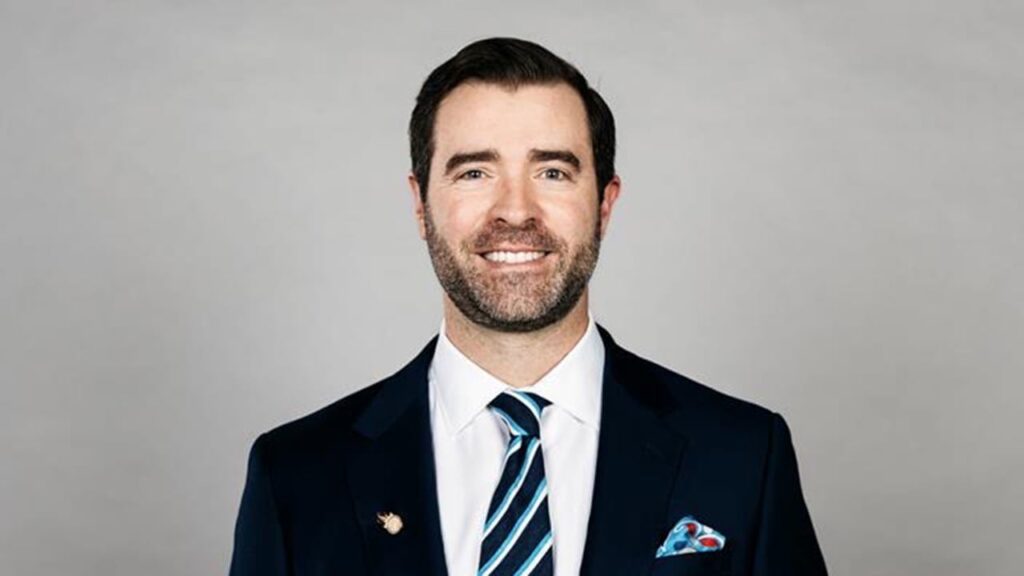
Brian Callahan
Table of Contents
Titans Fire Brian Callahan After 1–5 Start: What Went Wrong, What’s Next, and What It Means for Tennessee
NASHVILLE — Six games into Year 2, the Tennessee Titans pulled the plug. On Monday, the club fired head coach Brian Callahan after a 1–5 start to the 2025 season, ending his tenure at 4–19 and making him the first NFL head coach dismissed this season. Team president of football operations Chad Brinker led the decision alongside owner Amy Adams Strunk and GM Mike Borgonzi, in a move that signals urgency inside a franchise that has drifted from its identity since the Mike Vrabel era. (tennesseetitans.com)
The Titans’ official announcement was stark: despite a stated commitment to patience during a rebuild, “we have not demonstrated sufficient growth.” The numbers back that up. Through six weeks, Tennessee scored just 83 points—near the bottom of the league—and averaged 3.94 yards per play, a two-decade low watermark for the franchise and a red flag in an offense-driven NFL. Callahan, hired for his quarterback whisperer résumé, relinquished play-calling after an 0–3 start; the slide continued anyway. (tennesseetitans.com)
Why Now: The Case the Scoreboard (and the Film) Made
This wasn’t a snap judgment after one bad Sunday. Callahan’s 4–19 record covers a 3–14 debut season and this year’s 1–5 stumble. Tennessee’s losses haven’t just been frequent; they’ve been predictable—slow starts, negative scripts, and long fields that exposed a thin offensive line and a rookie quarterback learning the speed of the league. The latest chapter was a 20–10 loss to the Raiders, a game that featured turnovers, field-position losses, and stalled red-zone trips. (Reuters)
The Titans did not hire Callahan to win beauty contests; they hired him to build an offense around a young quarterback. That quarterback—Cam Ward, the No. 1 overall pick in the 2025 NFL Draft—has flashed arm talent and mobility, but the offense never found a reliable page-one plan: early down efficiency, defined quick game, and a vertical threat to loosen the box. In fairness, Ward has been hit, hurried, and sometimes hurried into mistakes. But the larger indictment is philosophical: the offense lacked a weekly identity, and the defense was on the field too long to carry the day. (The Washington Post)
A rebuild requires patience; it also requires evidence. Tennessee’s front office saw too little of the latter. An offense built by a former Bengals coordinator never resembled the rhythm, spacing, and situational mastery that got Callahan this job in the first place. Metrics—points, yards per play, 3rd-down rate—didn’t just lag; they regressed, even after the coach stepped back from the sheet. (AP News)
Context: The Reset After Vrabel, and a New Power Structure
To understand this firing, you have to rewind. The Titans closed the Vrabel era in 2023, then installed a new leadership spine: Chad Brinker (president of football operations) and Mike Borgonzi (first-time GM from the Chiefs tree), with Callahan as the coaching centerpiece. On paper, it was a modern build—organizational collaboration, a quarterback-centric scheme, and draft capital aimed at the offensive line and playmakers. Reality has been less tidy. Protection issues, penalties, and a revolving door at receiver left the Titans playing left-handed. (Reuters)
Callahan’s dismissal is also a message to the locker room. Veterans like Jeffery Simmons have been blunt about practice standards and fundamentals; the staff’s inability to translate coaching points into Sunday execution eroded confidence. When the film shows recurring mistakes—free rushers, protection busts, late play clock—you’re no longer in a single-game slump; you’re sustaining a habit. (Reuters)
The Rookie Variable: Developing Cam Ward
There’s no more important sentence in the Titans’ future plan than this: Cam Ward has to work. That’s about teaching, structure, and personnel. He needs:
- A clear first-10 script that defines his eyes and his timing.
- Protection rules that keep the front five and the back on the same page against pressure looks.
- Day-1 throws—glance, slant/flat, stick, hitches—that build confidence before shot plays.
- Run game marriage, so under-center play-action isn’t a novelty but a norm.
The next staff must be built around quarterback development, not just play design. Tennessee cannot afford a coordinator carousel that asks Ward to learn a new language every year. The firing is harsh; the logic is straightforward: better to change the teacher now than risk year-two stagnation for the player who will define the next five. (The Washington Post)
What’s Next: Interim Choice, Schedule, and the Search
As of Monday afternoon, the Titans had not formally named an interim head coach. There was speculation about internal options and even the status of offensive line sage Bill Callahan (Brian’s father), but no confirmation from the club. The Titans’ timing is notable: New England—coached by former Titans boss Mike Vrabel—comes to Nashville in Week 7, a narrative-heavy matchup that will test Tennessee’s emotional reset as much as its game plan. (Reuters)
Expect a fast, methodical search with two lanes:
- Quarterback Mentors (play-callers with developmental track records).
- Program Builders (leaders who can set a culture while hiring a top-tier OC).
The front office will canvass assistants with recent success turning young QBs into stable pros. The interview emphasis won’t be on scheme diagrams; it will be on process—practice structure, situational mastery, staff hiring, and how to generate low-variance offense for a developing passer.
The Bigger Picture: Tennessee’s Identity Crisis
This franchise used to feel like steel-toe boots—line-of-scrimmage bullies that dragged opponents into a dark hallway and turned games into close-quarters fights. That was the Vrabel brand: physicality, field position, fourth-quarter clarity. The last two seasons have been the opposite: leak-prone protection, misfires in the red zone, and defense-heavy workloads that crack by December.
Firing a coach six games into a season is never the plan, and rarely a panacea. But it is, in this case, an honest admission that the Titans were losing the plot. When your offensive head coach can’t produce a coherent offense—and your young quarterback’s development is on the line—you change the voice in the room. Results matter. Trajectory matters more. (AP News)
What Success Looks Like from Here (A Practical Checklist)
- Stabilize protections. Assign rules that simplify the center’s calls and the back’s scan, especially against simulated pressure.
- Condense the menu. Shrink to what your QB throws best; call it more often. Volume is the enemy of clarity.
- Win early downs. Live in 2nd-and-manageable; marry inside zone/duo with quick RPOs to steal five yards at a time.
- Situational obsession. Two-minute, four-minute, low red zone—script them like exams, not pop quizzes.
- Roster honesty. Elevate role players who do one thing extremely well; stop forcing square pegs.
This isn’t splashy. It’s Sunday football that respects the clock, the down, and the quarterback’s apprenticeship.
The Bottom Line
The Titans didn’t just fire a coach; they reset a thesis. Brian Callahan’s résumé promised quarterback progress and offensive detail. The scoreboard delivered neither. The architects—Brinker and Borgonzi—now have to hire the teacher who can turn Cam Ward from raw potential into weekly production, and they have to do it without burning more developmental runway.
In the NFL, you are what you can reliably repeat. For 20 games, Tennessee repeated the wrong things. Monday’s decision says they finally—publicly—understand that.
SEO-Integrated Long-Tail Keywords
Meta Description (SEO):
The Tennessee Titans fired head coach Brian Callahan after a 1–5 start, ending his tenure at 4–19. What went wrong, how it affects Cam Ward’s development, and what comes next in Nashville.

I’m Naveed, based in Paris,with my team I always believed that technology should make life easier not more complicated. That’s why I created Sejda.store: a place where anyone can use powerful online tools without needing special software or technical skills.
help